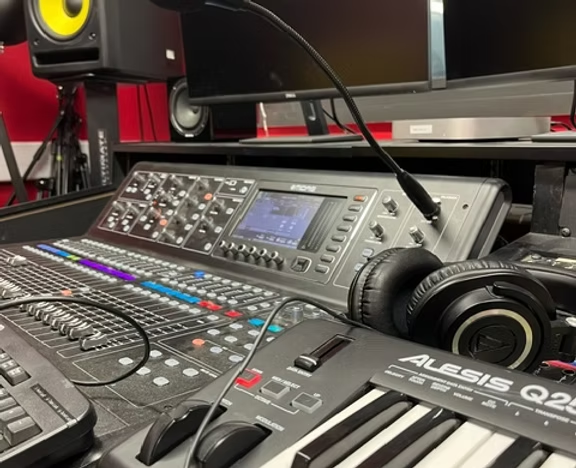
NCFE Music Technology is a UK vocational qualification designed to introduce learners to modern music production, recording techniques, and digital audio skills. It is widely delivered in schools and colleges as a practical alternative to traditional academic music courses. The qualification helps students understand how music is created using technology in real studio and digital environments.


NCFE Music Technology focuses on developing both creative and technical ability through hands-on learning. Learners use industry-standard software and equipment to produce recordings, explore sound design, and understand how the music industry operates. This makes NCFE Music Technology an ideal starting point for students interested in production, sound engineering, or digital music careers.
What is NCFE Music Technology
NCFE Music Technology is a structured qualification that teaches learners how to create, edit, and produce music using digital tools. It introduces key concepts such as recording audio, sequencing, mixing, and manipulating sound. The course is designed to reflect real-world practices in the modern music industry.
Through NCFE Music Technology, learners gain a balance of theoretical understanding and practical skills. They learn how sound behaves, how recording studios operate, and how digital audio workstations are used professionally. This combination ensures students build a strong foundation for further study and future careers in creative industries.
NCFE Music Technology Level 1/2 Structure
The NCFE Music Technology Level 1/2 structure is designed to support learners at different stages of ability. Level 1 focuses on basic skills such as understanding sound equipment and simple recording tasks, while Level 2 develops more advanced production techniques and independent project work.
In NCFE Music Technology Level 1/2, assessment is divided between coursework and external examination. Learners complete practical tasks known as non-examined assessment, alongside a written exam that tests their understanding of music technology theory. This balanced structure ensures students are assessed on both creativity and academic knowledge.
NCFE Music Technology Specification Overview
The NCFE Music Technology specification outlines everything students need to learn to successfully complete the qualification. It includes core areas such as sound creation, digital audio workstation (DAW) use, multitrack recording, and music industry understanding. Each section is designed to build progressive skills.
The specification for NCFE Music Technology is also used by teachers to plan lessons and guide student learning. It ensures that all learners follow a consistent curriculum that prepares them for both assessments and real-world music production environments. This structured approach helps maintain high educational standards across UK centres.
NCFE Music Technology Units Breakdown

NCFE Music Technology is divided into structured units that cover different aspects of music production. These units typically include recording techniques, sound design, sequencing, and music industry knowledge. Each unit builds on previous learning and helps students develop a complete understanding of music technology.
In NCFE Music Technology, units are designed to reflect real studio practice. Learners complete practical tasks such as recording instruments, editing audio, and producing finished tracks. These units help students build a portfolio of work that demonstrates both technical skill and creative ability.
Assessment and Exam Structure in NCFE Music Technology
Assessment in NCFE Music Technology is split between non-examined assessment and an external written exam. The non-examined assessment focuses on practical coursework, where students complete music production tasks under controlled conditions. This contributes significantly to the final grade.
The written exam in NCFE Music Technology tests theoretical knowledge such as sound properties, recording techniques, and industry practices. This combination of practical and written assessment ensures learners are well-rounded and prepared for further education or careers in music production and audio engineering.
NCFE Music Technology Grade Boundaries, Past Papers and Revision
NCFE Music Technology grade boundaries determine the final achievement level, ranging from Level 1 Pass through to Level 2 Distinction*. These boundaries are set each year based on overall student performance, meaning consistent effort is required throughout the course.
To succeed in NCFE Music Technology, learners should regularly use past papers and revision guides. These resources help students understand exam structure, question types, and key topics. Practising past papers improves confidence and helps learners perform better in both theory and practical assessments.
NCFE Music Technology Level 2 and Level 1 Overview
NCFE Music Technology Level 2 is more advanced and requires learners to demonstrate independent skills in production and recording. Students are expected to complete more complex projects and show a deeper understanding of sound design and music creation techniques.
NCFE Music Technology Level 1 is designed for beginners who are developing foundational knowledge. It focuses on basic recording skills, simple editing tasks, and understanding how music technology tools work. Both levels provide a clear pathway for progression within the subject.
NCFE Music Technology Level 3 Progression Pathways
After completing NCFE Music Technology Level 1/2, learners can progress to Level 3 qualifications such as BTEC Music Technology or A Level Music Technology. These advanced courses build on the knowledge gained and prepare students for higher education or professional training.
NCFE Music Technology also opens doors to careers in sound engineering, music production, broadcasting, and live event sound. The skills developed during the course are highly valued in the creative industries, making it a strong foundation for future success.
Conclusion
NCFE Music Technology is a practical and engaging qualification that equips learners with essential skills in music production and audio technology. It combines creativity with technical learning, helping students understand how modern music is created and produced in real-world environments.
Overall, NCFE Music Technology Level 1/2 provides a clear and structured pathway into further education and creative careers. With its balance of theory and hands-on practice, NCFE Music Technology remains one of the most valuable entry-level qualifications for aspiring music producers in the UK.