conservatory roof sail blinds diy: how to install easy, cheap sun shade blinds for your conservatory

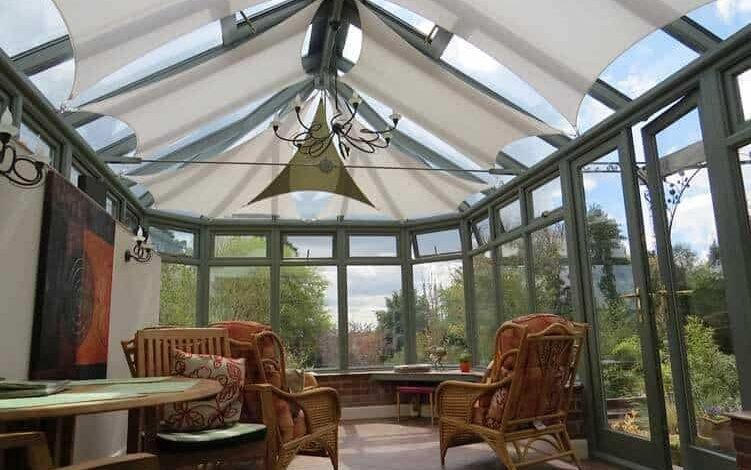
Conservatories are a beautiful extension of the home, but they often become uncomfortable during warmer months due to excessive heat and glare from glass roofing. This is where conservatory roof sail blinds diy solutions have gained popularity across UK households. They provide a practical, affordable, and stylish way to control sunlight while maintaining a bright and airy living space that still feels connected to the outdoors.

The growing interest in conservatory roof sail blinds diy projects comes from homeowners looking for cost-effective alternatives to professional blind systems. Instead of paying for expensive installations, DIY sail blinds allow full control over materials, design, and fitting style. This makes it easier to achieve a personalised finish while improving comfort and usability in the conservatory all year round.
What are conservatory roof sail blinds diy systems
Conservatory roof sail blinds diy systems are tensioned fabric installations designed to stretch across conservatory roof panels. Unlike traditional roller blinds that block light completely, sail blinds soften and diffuse sunlight, reducing heat without making the space dark. This creates a comfortable balance between natural brightness and temperature control.
These systems are particularly appealing because they can be customised to fit various conservatory shapes such as lean-to, Victorian, or Edwardian styles. With conservatory roof sail blinds diy methods, homeowners can choose different fabric types, tension layouts, and fixing techniques, making it a flexible and creative home improvement project suitable for both beginners and experienced DIY enthusiasts.
Benefits of conservatory roof sail blinds diy installations
One of the biggest advantages of conservatory roof sail blinds diy installations is improved temperature control. By filtering direct sunlight, the fabric helps reduce greenhouse heat buildup, making the conservatory more usable during summer. This creates a more comfortable environment for relaxing, dining, or working from home.
Another major benefit is affordability and design freedom. Unlike professionally installed shading systems, conservatory roof sail blinds diy projects allow homeowners to build a custom solution using budget-friendly materials. This means you can match colours, textures, and styles to your interior décor while significantly reducing overall installation costs.
Tools and materials required for conservatory roof sail blinds diy
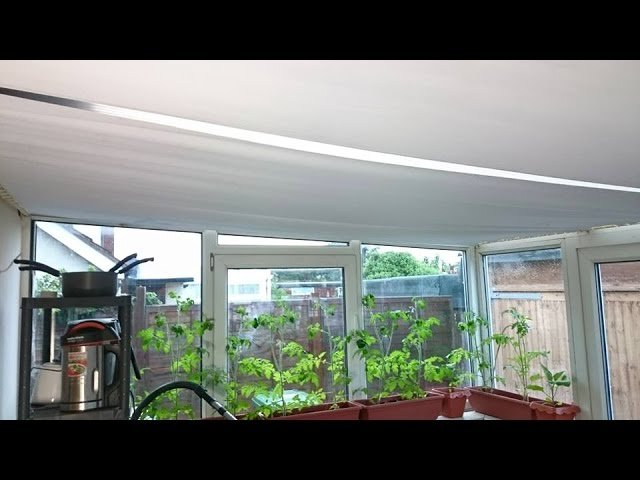
Before starting any conservatory roof sail blinds diy project, it is essential to gather the right tools and materials. These typically include durable fabric such as blackout or UV-resistant canvas, strong rope or stainless-steel cable, metal eyelets, hooks, and measuring tools. A drill may also be required for secure fixing points.
Choosing the right materials is crucial for long-term durability and safety. Many homeowners experimenting with conservatory roof sail blinds diy also explore budget-friendly alternatives inspired by home stores, including IKEA-style fabrics and accessories. However, it is important to ensure that any material used is suitable for sun exposure and tension-based installation.
Step-by-step conservatory roof sail blinds diy installation process
The first step in conservatory roof sail blinds diy installation is accurate measurement of each roof section. This ensures the fabric panels fit properly and can be tensioned correctly without sagging. Precise planning at this stage helps avoid mistakes and ensures a clean, professional-looking finish once installed.
Next, secure fixing points must be installed along the conservatory frame or roof beams. Once the structure is prepared, the fabric sails are attached and carefully tensioned using cables or ropes. A well-executed conservatory roof sail blinds diy installation not only improves shading but also enhances the overall aesthetic appeal of the space.
IKEA-inspired conservatory roof sail blinds diy ideas
Many homeowners prefer affordable design solutions, and IKEA-inspired conservatory roof sail blinds diy ideas have become increasingly popular. Simple curtains, lightweight fabrics, and ready-made panels can be adapted into effective sail-style blinds with minimal modification and creativity.
By combining IKEA-style materials with custom fixing systems, conservatory roof sail blinds diy projects can achieve a modern, minimalist look at a fraction of the cost of professional installations. This approach is ideal for those who want a balance of affordability, functionality, and stylish home improvement results.
Common mistakes in conservatory roof sail blinds diy projects
One of the most common mistakes in conservatory roof sail blinds diy projects is inaccurate measuring. Even small errors can lead to poor tensioning, sagging fabric, or uneven shading across the roof. Careful planning and double-checking measurements are essential for achieving a successful outcome.
Another frequent issue is using low-quality materials that are not designed for outdoor or high-light environments. Without proper UV resistance and strength, the blinds may degrade quickly. A successful conservatory roof sail blinds diy project requires durable materials and secure installation methods to ensure long-lasting performance.
Maintenance and longevity of conservatory roof sail blinds diy systems
Regular maintenance is essential to keep conservatory roof sail blinds diy systems in good condition. Cleaning the fabric periodically helps remove dust, pollen, and debris that can build up over time. This not only improves appearance but also helps maintain fabric strength and light diffusion quality.
It is also important to inspect fixings, cables, and tension points regularly. Over time, weather changes and usage can affect stability. By maintaining conservatory roof sail blinds diy installations properly, homeowners can extend their lifespan and ensure continued comfort and performance throughout the year.
Cost breakdown of conservatory roof sail blinds diy solutions
One of the main reasons homeowners choose conservatory roof sail blinds diy solutions is cost savings. Depending on size and material quality, a DIY installation can be significantly cheaper than professionally fitted systems, making it an attractive option for budget-conscious households.
Costs can be managed by selecting affordable fabrics, reusing materials, or opting for simple cable systems. With conservatory roof sail blinds diy projects, homeowners can achieve a high-end aesthetic without spending large amounts on installation labour or branded blind systems, making it a practical home improvement choice.
When to avoid conservatory roof sail blinds diy installations
Although conservatory roof sail blinds diy is suitable for many homes, there are situations where professional installation may be better. Large or complex conservatories with difficult roof access can make DIY installation unsafe or impractical without proper equipment or experience.
Homes in areas with strong wind exposure may also require reinforced systems that go beyond standard DIY solutions. In such cases, conservatory roof sail blinds diy may not provide sufficient durability, and a professionally engineered shading system could be a safer long-term investment.
Conclusion on conservatory roof sail blinds diy
In conclusion, conservatory roof sail blinds diy projects offer an affordable, stylish, and highly practical way to improve comfort in glass-roof spaces. They help reduce heat, control light, and enhance the overall usability of conservatories throughout the year.
For homeowners seeking a creative home improvement solution, conservatory roof sail blinds diy provides flexibility and personalisation that traditional systems often lack. With careful planning, quality materials, and proper installation, it is possible to achieve a durable and visually appealing result that transforms any conservatory into a more enjoyable living space.