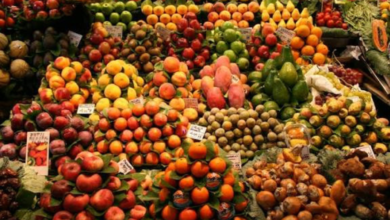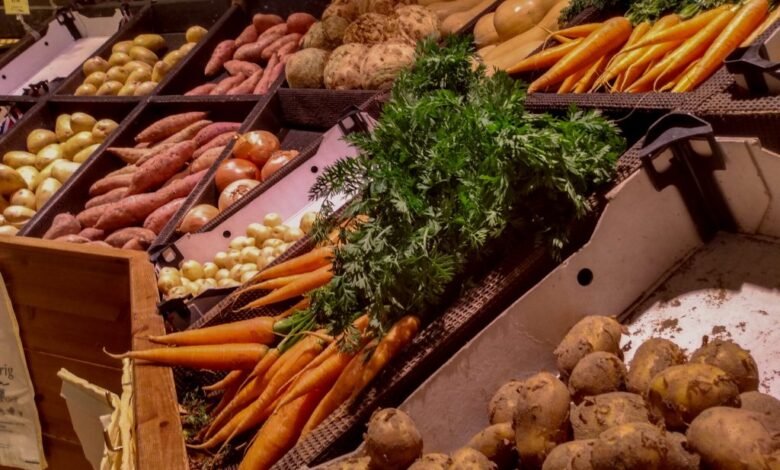
Eat the seasons UK is a practical and increasingly popular approach to eating that focuses on consuming fruit and vegetables when they are naturally harvested in the United Kingdom. This way of eating encourages people to reconnect with traditional food cycles and enjoy produce at its peak freshness. It is not just a dietary trend but a lifestyle shift that supports healthier eating habits and a more sustainable food system.


The idea behind eat the seasons UK is rooted in understanding how climate and agriculture shape what is available throughout the year. Instead of relying heavily on imported produce, this approach promotes locally grown food that is harvested at the right time. As a result, meals become more flavourful, more nutritious, and often more affordable for households across the country.
Benefits of Eating Seasonally in the UK
One of the key benefits of eat the seasons UK is the significant improvement in taste and quality. When fruit and vegetables are grown and harvested in their natural season, they develop better flavour and texture. Unlike out-of-season produce that may be stored for long periods or artificially ripened, seasonal food is fresher and more enjoyable to eat.
Another important benefit of eat the seasons UK is its positive impact on both health and the environment. Seasonal produce is often richer in nutrients because it is consumed soon after harvesting. Additionally, it reduces the need for long-distance transportation and energy-intensive storage, which helps lower carbon emissions and supports more sustainable farming practices in the UK.
UK Seasonal Food Calendar Overview
Understanding the yearly cycle is essential for anyone following eat the seasons UK. Each season brings a distinct variety of fruits and vegetables that reflect natural growing conditions. Spring focuses on fresh greens, summer offers berries and soft fruits, autumn provides harvest crops, and winter relies on root vegetables and stored produce.
The eat the seasons UK approach encourages people to use seasonal calendars when planning meals and shopping. This helps households make more informed choices and reduces reliance on imported foods. By aligning diets with natural availability, consumers can enjoy better quality ingredients while supporting local British farmers and reducing food waste.
Spring Seasonal Foods in the UK
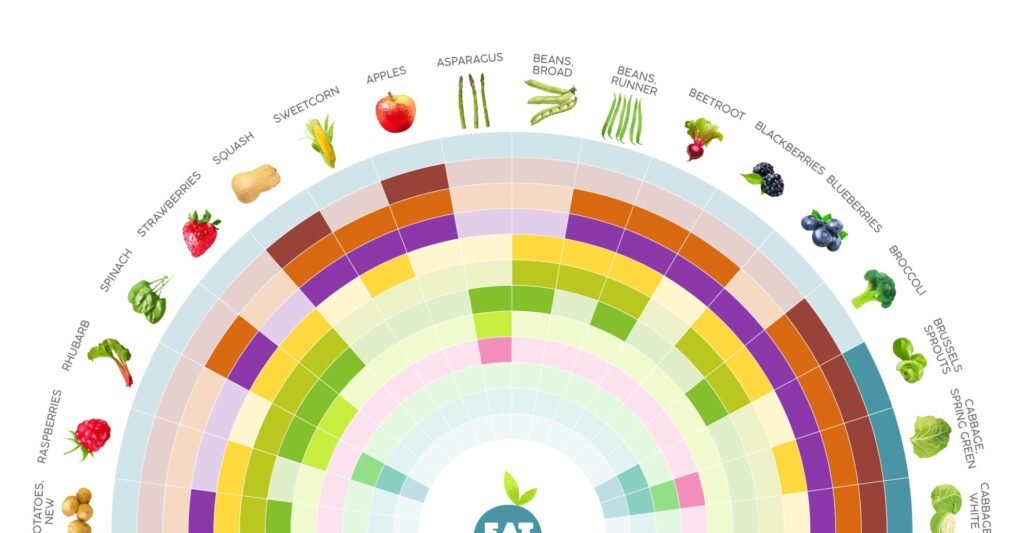
Spring is a refreshing time for eat the seasons UK, as it introduces lighter and greener produce after the winter months. Vegetables such as asparagus, spinach, spring onions, and watercress become widely available. Fruits are still limited early in the season, but rhubarb and early strawberries begin to appear in late spring, offering a taste of warmer months ahead.
Cooking with spring produce allows for light, vibrant meals that reflect the season’s freshness. Many people using eat the seasons UK during spring enjoy salads, steamed greens, and simple stir-fries. The focus is on preserving natural flavour with minimal cooking, allowing the ingredients to shine and provide essential nutrients after the colder season.
Summer Seasonal Foods in the UK
Summer is one of the most abundant periods for eat the seasons UK, with a wide variety of fruits and vegetables reaching their peak. Strawberries, raspberries, cherries, and blueberries are commonly available, while vegetables such as courgettes, tomatoes, cucumbers, and peppers are at their best quality and flavour.
This season is ideal for fresh and light dishes, making eat the seasons UK especially enjoyable during warmer months. Many people prepare salads, barbecues, and cold dishes that highlight the natural sweetness and juiciness of summer produce. Hydration-rich foods also play an important role in maintaining energy during hot weather.
Autumn Seasonal Foods in the UK
Autumn represents the harvest season and is a central part of eat the seasons UK. Apples, pears, plums, and blackberries are widely available, while vegetables such as pumpkins, squash, carrots, and leeks become staples in kitchens across the country. This season offers rich and hearty flavours perfect for colder weather.
Meals during autumn often focus on comfort and warmth, making eat the seasons UK ideal for soups, stews, and baked dishes. The abundance of produce also allows for preserving methods such as freezing, pickling, and making jams, ensuring that seasonal flavours can be enjoyed even after the harvest period ends.
Winter Seasonal Foods in the UK
Winter in the UK relies heavily on root vegetables and stored produce, making eat the seasons UK especially valuable for maintaining nutrition during colder months. Vegetables such as potatoes, parsnips, turnips, cabbage, and Brussels sprouts dominate seasonal availability. Citrus fruits, though often imported, also become more common during this time.
Despite limited variety compared to other seasons, eat the seasons UK in winter encourages hearty and nourishing meals. Slow-cooked dishes, soups, and casseroles are popular choices that make use of available ingredients. These meals provide warmth, energy, and essential nutrients needed during the colder part of the year.
How to Eat Seasonally All Year Round
Adopting eat the seasons UK throughout the year requires a shift in shopping and cooking habits. Planning meals based on seasonal availability helps ensure that ingredients are always fresh and suitable for the time of year. Farmers’ markets and local produce sections are excellent resources for finding seasonal items in the UK.
Flexibility in cooking is also essential for maintaining eat the seasons UK. Instead of relying on fixed recipes, it is helpful to adapt dishes based on what is available. This encourages creativity in the kitchen and allows for a more varied diet that changes naturally with the seasons, making meals more exciting and sustainable.
Sustainability and Environmental Impact
One of the strongest reasons to follow eat the seasons UK is its positive environmental impact. Seasonal eating reduces the need for imported goods, artificial heating, and long-term storage, all of which contribute to greenhouse gas emissions. Choosing seasonal produce helps lower your carbon footprint significantly over time.
In addition, eat the seasons UK supports a more sustainable food system by reducing food waste. When people buy what is naturally in season, they are more likely to use it quickly and efficiently. This approach also strengthens local agriculture by supporting British farmers and encouraging responsible food production practices.
Conclusion
Eat the seasons UK is more than just a way of eating; it is a conscious decision to align food choices with nature’s cycles. It offers numerous benefits, including better taste, improved nutrition, cost savings, and a reduced environmental impact. By understanding seasonal patterns, individuals can make healthier and more informed decisions about what they eat.
Ultimately, eat the seasons UK encourages a deeper connection with food and the environment. Whether you are just starting to explore seasonal eating or fully embracing it, the long-term benefits are significant. This approach helps build a more sustainable future while making everyday meals more enjoyable and meaningful.