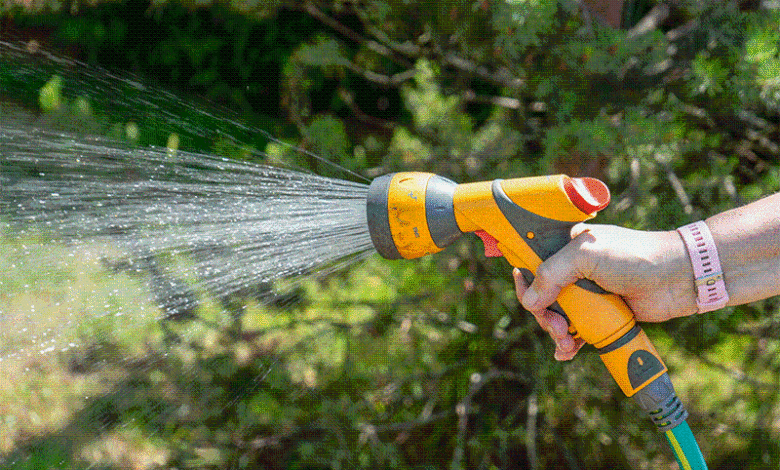
The Yorkshire Water hosepipe ban is a temporary water restriction introduced during periods of drought, low reservoir levels, or extended dry weather conditions across the region. It is designed to protect essential water supplies and ensure that households, businesses, and agriculture can continue to access safe and reliable water without long-term shortages affecting daily life.


The Yorkshire Water hosepipe ban is not permanent and is only implemented when water demand exceeds supply capacity. Yorkshire Water monitors rainfall, reservoir storage, and river levels continuously to decide when restrictions are necessary. Understanding how and why the Yorkshire Water hosepipe ban is introduced helps residents respond responsibly and avoid unnecessary water usage during sensitive periods.
Yorkshire Water Hosepipe Ban Latest Update 2026
The Yorkshire Water hosepipe ban update for 2026 depends on ongoing weather patterns and water storage recovery across reservoirs in the region. While restrictions may not always be active, they can be introduced quickly if prolonged dry spells return, making it essential for residents to stay informed through official Yorkshire Water announcements and local updates.
The Yorkshire Water hosepipe ban update today is especially important during seasonal transitions when rainfall is unpredictable. Yorkshire Water may issue warnings before formal restrictions begin, allowing households to prepare in advance. These updates ensure that communities understand whether the Yorkshire Water hosepipe ban is active, under review, or approaching implementation.
Yorkshire Water Hosepipe Ban Rules Explained
The Yorkshire Water hosepipe ban rules define what residents can and cannot do during restriction periods. Typically, activities such as watering gardens with a hosepipe, washing cars using mains water, and filling paddling pools are limited or completely prohibited depending on the severity of the situation and water availability across the region.
The Yorkshire Water hosepipe ban rules are designed to prioritise essential water use while reducing unnecessary consumption. Residents are often encouraged to use watering cans or buckets instead of hosepipes, as these methods significantly reduce water waste. These rules ensure fair distribution of water while protecting long-term supply stability for all users.
Yorkshire Water Hosepipe Ban Exemptions and Special Cases
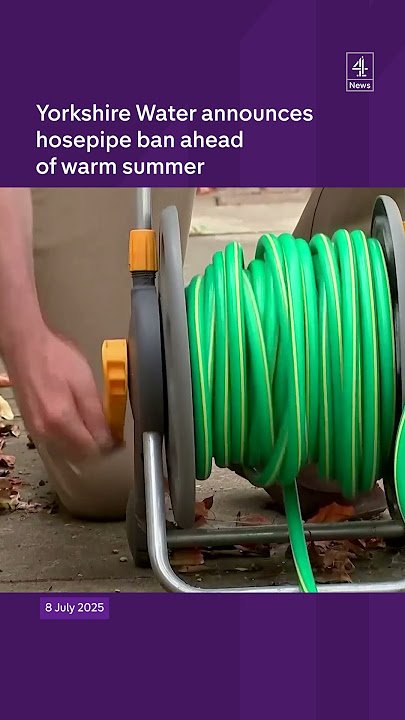
The Yorkshire Water hosepipe ban exemptions apply to specific individuals and organisations where water use is considered essential or unavoidable. This includes blue badge holders with specific medical needs, certain healthcare-related uses, and essential agricultural activities where water is required for food production or animal welfare.
The Yorkshire Water hosepipe ban exemption process is carefully managed to ensure fairness and prevent misuse. Applicants may need to demonstrate eligibility before receiving approval. These exemptions ensure that while general restrictions apply, vulnerable groups and essential services are not unfairly impacted by water conservation measures.
Yorkshire Water Hosepipe Ban Areas and Postcode Coverage
The Yorkshire Water hosepipe ban areas can vary depending on local reservoir levels and regional water demand. Some parts of Yorkshire may face restrictions earlier than others if their water supply is more affected by dry weather conditions or higher population usage, making the system highly targeted and responsive.
The Yorkshire Water hosepipe ban postcode system allows residents to check whether their specific location is affected. This postcode-based approach ensures accurate communication and avoids unnecessary confusion. By entering a postcode, households can quickly determine if the Yorkshire Water hosepipe ban applies in their area and what restrictions are currently active.
Yorkshire Water Hosepipe Ban Car Washing and Outdoor Use
One of the most commonly affected activities under the Yorkshire Water hosepipe ban is car washing, especially when done using a hosepipe connected to mains water. During restrictions, this activity is usually prohibited to reduce non-essential water usage and protect supplies during dry conditions.
The Yorkshire Water hosepipe ban car wash rules encourage alternative cleaning methods such as using buckets, sponge washing, or commercial car washes that recycle water. These alternatives help reduce water waste significantly while still allowing vehicle maintenance during restriction periods without breaching regulations.
Yorkshire Water Hosepipe Ban Fines, Enforcement and Reporting
The Yorkshire Water hosepipe ban fines system is in place to ensure compliance with water restrictions. Individuals who repeatedly ignore the rules may face warnings or financial penalties, depending on the severity and frequency of the breach. Enforcement is typically carried out through monitoring and public reporting.
Residents are also encouraged to report suspected violations of the Yorkshire Water hosepipe ban. Reporting helps maintain fairness and ensures that everyone follows the same rules during restricted periods. Yorkshire Water uses these reports alongside inspections to ensure responsible water usage across affected areas.
Yorkshire Water Hosepipe Ban 2025 and 2026 Timeline
The Yorkshire Water hosepipe ban 2025 period saw fluctuations in restrictions due to changing weather conditions, with bans being introduced during dry spells and later lifted following improved rainfall. These changes highlight how responsive water management systems are to environmental conditions.
Moving into the Yorkshire Water hosepipe ban 2026 period, conditions continue to depend on seasonal rainfall and reservoir recovery. While restrictions may not always be active, the possibility of reintroduction remains if water levels drop significantly, making ongoing awareness essential for all residents.
Yorkshire Water Hosepipe Ban Updates and How to Stay Informed
The Yorkshire Water hosepipe ban update process includes official announcements, postcode tools, and customer alerts to ensure residents receive accurate and timely information. These updates help households understand whether restrictions are active and what specific rules apply in their area.
Checking the Yorkshire Water hosepipe ban update regularly is important, especially during summer months when demand is high. Yorkshire Water provides clear guidance through its official channels, allowing residents to stay compliant and avoid accidental breaches of water restriction rules.
Yorkshire Water Hosepipe Ban Water-Saving Tips
During the Yorkshire Water hosepipe ban, households are encouraged to adopt simple yet effective water-saving habits. These include using watering cans instead of hoses, reusing household water for gardens, and reducing unnecessary outdoor water usage wherever possible to help conserve supply.
Even outside formal restrictions, the Yorkshire Water hosepipe ban highlights the importance of long-term water conservation. Small behavioural changes across communities can significantly reduce overall demand, ensuring that Yorkshire maintains stable water supplies during both dry and wet seasons.
Yorkshire Water Hosepipe Ban Conclusion
The Yorkshire Water hosepipe ban plays a crucial role in protecting water resources during periods of environmental stress. It ensures that essential supply is maintained for households, agriculture, and critical services, while also encouraging responsible water usage across the region.
Understanding the Yorkshire Water hosepipe ban helps residents stay informed, compliant, and prepared for any future restrictions. By following rules, checking updates, and adopting water-saving habits, communities can support sustainable water management and reduce the impact of future drought conditions.