
Understanding what happens to premium bonds when you die is essential for anyone holding savings with NS&I in the UK. Premium Bonds are a unique savings product because they do not earn interest in the traditional sense but instead enter monthly prize draws. When the holder passes away, these bonds do not simply disappear or transfer automatically, which makes estate planning particularly important.


In practice, what happens to premium bonds when you die involves a structured legal and administrative process. The bonds become part of the deceased’s estate and are managed by executors or legal representatives. This ensures that any value, including winnings from prize draws, is properly accounted for and distributed according to UK inheritance law.
What happens to Premium Bonds when you die: UK rules explained
When examining what happens to premium bonds when you die, UK rules clearly state that the bonds remain the property of the deceased’s estate. They cannot be transferred directly to another person, even if they are close family members. Instead, NS&I requires formal notification of death before any action can be taken on the account.
Once NS&I is informed, the account is frozen and managed under estate administration procedures. This stage in what happens to premium bonds when you die ensures that no unauthorised transactions take place. Executors are then responsible for deciding whether to continue holding the bonds temporarily or proceed with redemption based on estate requirements.
The 12-month rule for Premium Bonds after death
A key aspect of what happens to premium bonds when you die is the 12-month rule. After notification, the bonds remain eligible for monthly prize draws for up to one year. This means the estate can still benefit from potential winnings during this period, which are added tax-free to the overall estate value.
The 12-month rule plays an important role in what happens to premium bonds when you die because it provides a transitional period for estate management. After this period ends, the bonds are no longer eligible for draws and must be cashed in. This ensures a clear cut-off point for final settlement and distribution.
Notifying NS&I and managing the account
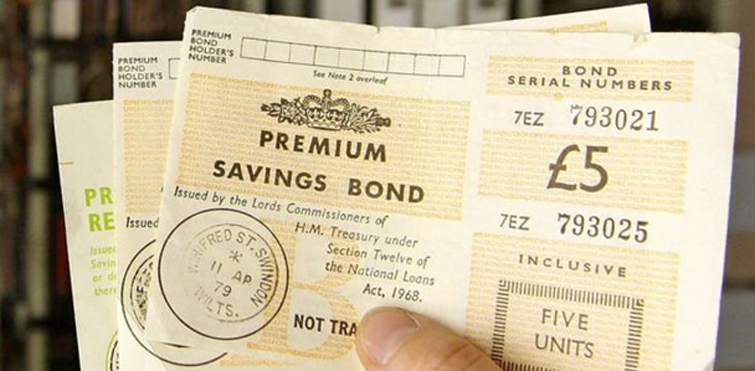
Understanding what happens to premium bonds when you die also involves knowing how to notify NS&I. Executors or next of kin must provide official documentation, including the death certificate and relevant personal details. This notification can be completed online or through postal forms depending on preference.
Once NS&I receives confirmation, they begin processing the estate account. In what happens to premium bonds when you die, this step is crucial because it activates the legal freeze on the account. Executors are then given authority to manage the bonds, track winnings, and initiate eventual redemption when appropriate.
Can Premium Bonds be inherited or transferred?
A common misconception in what happens to premium bonds when you die is that they can be passed directly to beneficiaries. However, Premium Bonds cannot be inherited or transferred in their original form. Instead, they are converted into cash value and distributed as part of the estate.
This distinction is important in what happens to premium bonds when you die because it affects how beneficiaries receive their inheritance. Rather than receiving the bonds themselves, they receive a monetary share after the estate is settled. This ensures compliance with UK inheritance law and maintains consistency in estate distribution.
Cashing in Premium Bonds after death
Another important stage in what happens to premium bonds when you die is cashing in the bonds. Executors can choose to redeem the bonds either during the probate process or after the 12-month prize period has ended. NS&I then transfers the funds directly into the estate bank account.
This step in what happens to premium bonds when you die is usually straightforward but may take time depending on the complexity of the estate. Executors must ensure all required paperwork is completed accurately. Once processed, the full value of the bonds, including any winnings, becomes available for distribution.
Inheritance tax and Premium Bonds
In understanding what happens to premium bonds when you die, inheritance tax is an important consideration. Premium Bonds are treated as part of the total estate value and are therefore subject to UK inheritance tax rules if the estate exceeds the threshold.
This means that what happens to premium bonds when you die may have financial implications beyond simple cashing in. Executors must include the value of the bonds when calculating the estate’s worth for HMRC. Accurate reporting is essential to avoid delays or penalties during probate.
Online management of Premium Bonds after death
In modern estate administration, what happens to premium bonds when you die also involves online account management. NS&I provides digital tools that allow executors to track bonds, check winnings, and manage redemption requests more efficiently than traditional paper-based systems.
This digital aspect of what happens to premium bonds when you die helps streamline the process. However, access is strictly controlled and only authorised representatives can manage the account. Security measures ensure that sensitive financial data remains protected throughout the estate settlement process.
Conclusion
In summary, what happens to premium bonds when you die is a structured process governed by NS&I and UK inheritance law. The bonds become part of the estate, continue briefly in prize draws, and are eventually cashed in for distribution. They cannot be directly inherited or transferred to individuals.
Understanding what happens to premium bonds when you die helps families and executors manage estates more efficiently. With clear rules such as the 12-month prize period, inheritance tax considerations, and proper notification procedures, the process becomes far easier to navigate and ensures fair distribution of assets.