Waterloo City Farm is a distinctive urban green space located in central London, offering a rare combination of education, sustainability, and community engagement within a densely built environment. Waterloo City Farm transforms underused land into a productive and welcoming space where visitors can reconnect with nature, learn about food systems, and explore environmental responsibility in a practical and accessible way.


Waterloo City Farm plays a significant role in bringing nature back into city life, especially in an area dominated by transport networks and commercial activity. Waterloo City Farm provides a calm and educational environment where schools, families, and community groups can engage in hands-on learning experiences. This makes it an important example of how urban spaces can be repurposed for long-term social and environmental benefit.
What is Waterloo City Farm
Waterloo City Farm is a community-led initiative designed to promote learning, sustainability, and wellbeing through direct engagement with nature. Waterloo City Farm acts as an outdoor classroom where children and young people can explore farming practices, environmental science, and animal care in a real-world setting. It offers a practical alternative to traditional classroom-based education.
Waterloo City Farm also represents a wider movement towards urban regeneration and community inclusion. Waterloo City Farm demonstrates how unused or neglected land can be transformed into a thriving educational environment. It connects people with agriculture and sustainability while encouraging responsibility, curiosity, and a deeper understanding of natural ecosystems within an urban context.
Location and Urban Setting of Waterloo City Farm
Waterloo City Farm is situated near Waterloo Station in the London Borough of Lambeth, placing it in one of the most active and well-connected parts of London. Waterloo City Farm benefits from its central location, making it easily accessible for schools, visitors, and organisations from across the city. Despite its surroundings, it creates a peaceful and green escape from urban intensity.
Waterloo City Farm stands as a contrast to the surrounding built environment, offering greenery and open space in an otherwise heavily developed area. Waterloo City Farm shows how urban planning can incorporate natural environments even in highly populated districts. Its location highlights the importance of preserving and creating green spaces in major cities like London.
Purpose and Mission of Waterloo City Farm
The core mission of Waterloo City Farm is to educate, inspire, and support communities through environmental awareness and sustainable living practices. Waterloo City Farm encourages visitors to understand food production, biodiversity, and ecological balance through direct participation in farming activities and structured learning programmes.
Waterloo City Farm also focuses on improving wellbeing and social inclusion by offering a welcoming environment for people of all ages and backgrounds. Waterloo City Farm helps individuals develop life skills, confidence, and environmental responsibility. It plays an important role in promoting healthier relationships between people, food, and the natural world.
Education and Learning Programmes
Waterloo City Farm provides structured educational experiences for schools, youth groups, and community organisations. Waterloo City Farm delivers hands-on learning sessions covering topics such as planting, soil health, sustainability, and animal care. These programmes are designed to complement classroom learning with real-world experience in a natural environment.
Waterloo City Farm encourages active participation, allowing learners to engage directly with nature rather than simply studying it from textbooks. Waterloo City Farm supports experiential education, helping students develop a stronger understanding of environmental systems. This practical approach makes learning more engaging, memorable, and impactful for young people.
Animals, Crops, and Natural Environment
Waterloo City Farm includes a variety of animals and plant life that contribute to its educational and ecological value. Waterloo City Farm offers visitors the chance to observe and sometimes interact with animals while learning about responsible care and sustainable farming practices. The presence of crops and gardens further enhances its educational role.
Waterloo City Farm demonstrates how biodiversity can be supported within an urban environment. Waterloo City Farm uses sustainable farming methods to grow seasonal produce and maintain healthy soil systems. This creates a living example of how cities can contribute to environmental preservation while still serving community needs.
Community Engagement and Social Impact
Waterloo City Farm plays an important role in strengthening community relationships through inclusive programmes and volunteering opportunities. Waterloo City Farm brings together people from different backgrounds to participate in shared learning and environmental activities. This helps build stronger social connections within the local area.
Waterloo City Farm also supports mental wellbeing by offering a calm and natural environment in the middle of a busy city. Waterloo City Farm encourages people to spend time outdoors, engage with nature, and develop a sense of belonging. These experiences contribute to improved wellbeing and stronger community resilience.
Architecture and Design of Waterloo City Farm
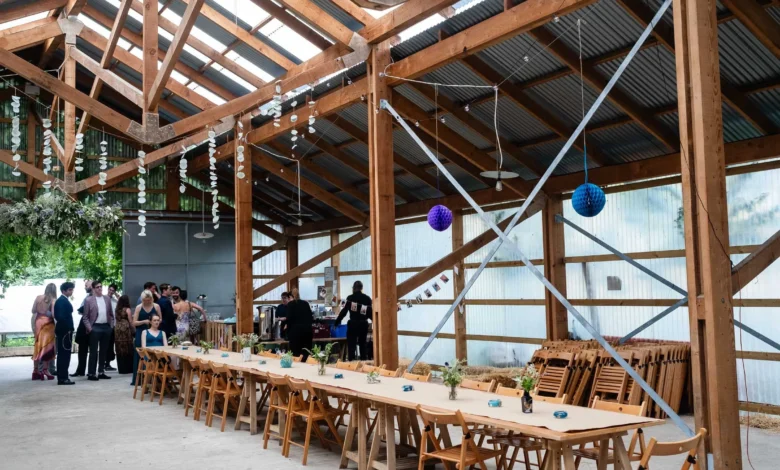
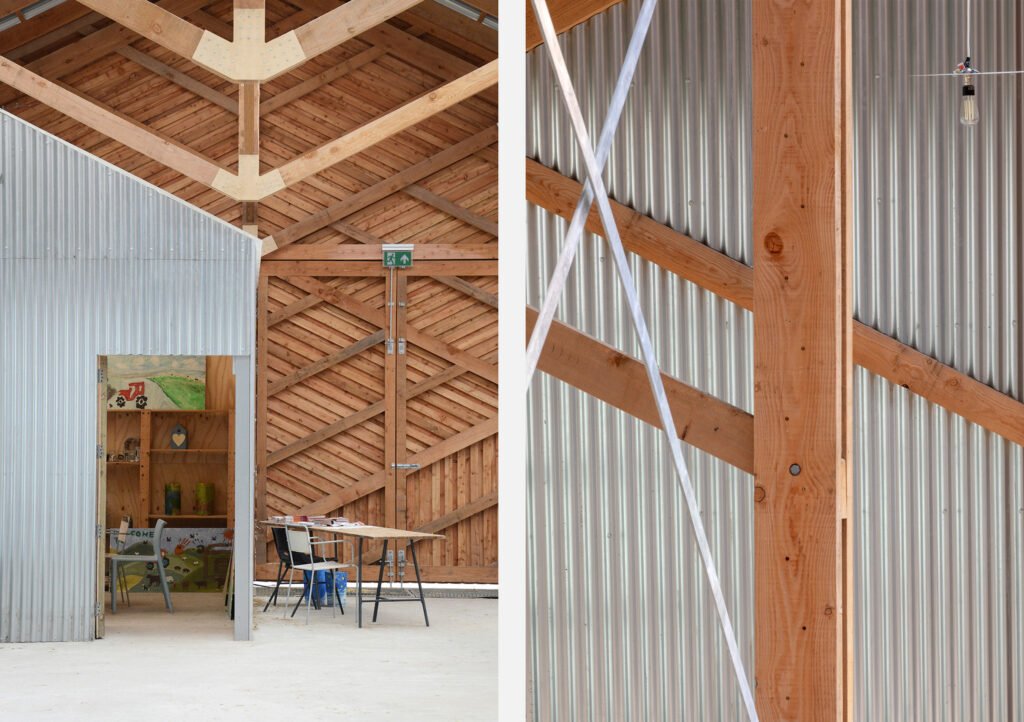
Waterloo City Farm has been designed with sustainability and functionality in mind, using eco-friendly materials and efficient spatial planning. Waterloo City Farm integrates educational buildings, outdoor learning zones, and farming areas into a cohesive layout that supports both learning and agriculture in a compact urban space.
Waterloo City Farm demonstrates how thoughtful design can maximise limited urban land. Waterloo City Farm combines natural landscapes with practical infrastructure, ensuring that all areas of the site serve educational and environmental purposes. This balance between nature and structure is central to its long-term success.
Sustainability and Environmental Importance
Waterloo City Farm promotes sustainable living practices such as composting, recycling, and organic growing methods. Waterloo City Farm helps visitors understand how everyday actions can impact the environment and how sustainable choices can make a positive difference in urban ecosystems.
Waterloo City Farm also contributes to biodiversity and environmental awareness within London. Waterloo City Farm provides a space where people can learn about climate change, food systems, and ecological responsibility. It serves as a practical model for how cities can support sustainability at a local level.
Visiting Waterloo City Farm
Waterloo City Farm offers visitors a unique opportunity to experience nature within central London. Waterloo City Farm welcomes schools, families, and community groups, providing structured activities and open learning spaces. Visitors can explore the farm and take part in educational experiences designed to inspire curiosity and awareness.
Waterloo City Farm allows people to engage directly with environmental learning in a hands-on setting. Waterloo City Farm provides an accessible way for urban residents to reconnect with nature, making it an important destination for those interested in sustainability, education, and community development.
Conclusion
Waterloo City Farm is a powerful example of how urban spaces can be transformed into meaningful community assets. Waterloo City Farm combines education, sustainability, and social engagement to create a unique environment that benefits both people and nature within central London.
Waterloo City Farm continues to demonstrate the value of integrating green spaces into cities, supporting future generations through learning and environmental awareness. Waterloo City Farm stands as a model for sustainable urban development and community-driven change in an increasingly urbanised world.