Timber frame housing has become a widely used construction method across the United Kingdom, especially in modern residential developments where speed and energy efficiency are priorities. However, interest in timber frame houses UK problems continues to grow as buyers try to understand whether these properties are truly reliable in the long term. While the system is well established, concerns still exist around durability, maintenance, and financial approval processes.


When discussing timber frame houses UK problems, it is important to separate perception from reality. Many of the concerns are based on older building methods, whereas modern timber frame construction follows strict UK building regulations. Even so, issues can still arise if workmanship is poor or if moisture protection systems are not correctly installed, making buyer awareness extremely important.
How timber frame houses are built in the UK
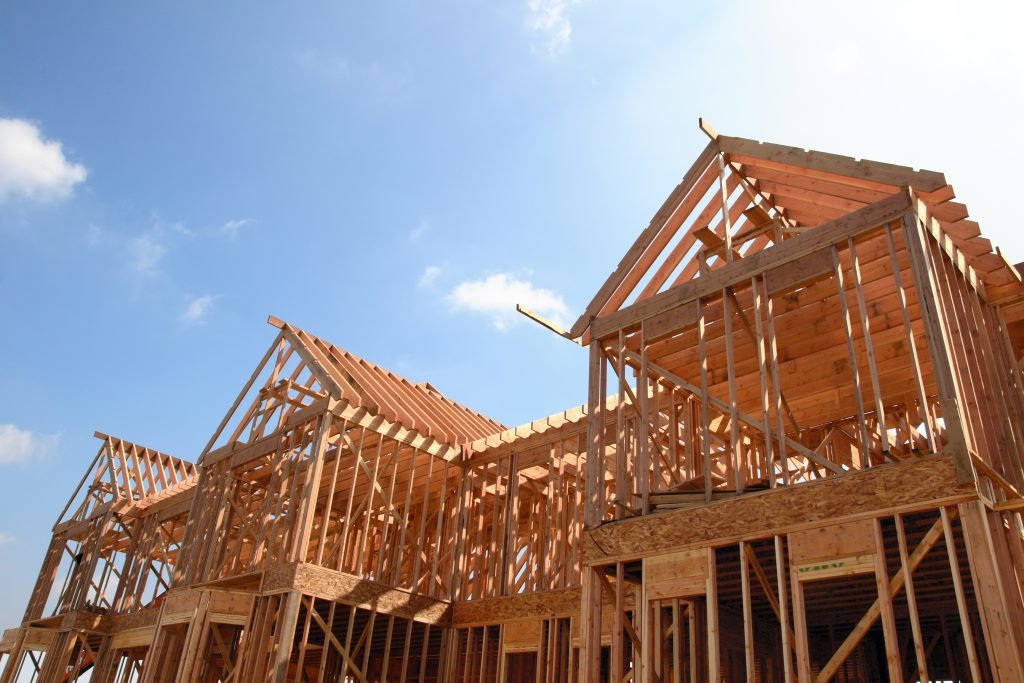
Timber frame houses in the UK are built using a structural wooden skeleton that supports floors, walls, and roof loads. This frame is then covered with insulation layers, vapour barriers, and external cladding such as brick, render, or weatherboard. The design allows for rapid construction, but timber frame houses UK problems can appear if these protective layers are compromised during building.
Unlike traditional brick-and-block homes, timber frame structures rely heavily on precision and sequencing during construction. If the building is exposed to heavy rain before being fully sealed, moisture can become trapped inside the structure. This is one of the reasons timber frame houses UK problems are often linked to site management quality rather than the material itself.
Moisture issues in timber frame houses UK problems
Moisture is one of the most frequently discussed concerns within timber frame houses UK problems because timber is highly sensitive to prolonged exposure to water. When moisture enters the structure through leaks, poor sealing, or condensation, it can lead to mould growth, timber decay, and insulation failure. These issues may not always be visible immediately, making early detection difficult.
Another major contributor to timber frame houses UK problems is poor ventilation within the property. Without adequate airflow, condensation can build up inside wall cavities, especially in kitchens and bathrooms. Over time, this trapped moisture can weaken structural elements and reduce the energy efficiency of the home, increasing long-term maintenance costs for homeowners.
Fire safety and timber frame houses UK problems
Fire safety is another key topic often associated with timber frame houses UK problems, largely due to the natural combustibility of wood. However, modern UK building regulations require timber frame homes to include fire-resistant materials such as plasterboard linings, fire barriers, and compartmentation systems designed to slow the spread of flames and protect escape routes.
Despite these protections, concerns remain among buyers who associate timber construction with higher fire risk. In reality, properly built homes show that timber frame houses UK problems related to fire are more about installation quality than structural design. When fire safety measures are correctly installed, these homes perform similarly to brick-built properties in controlled fire conditions.
Mortgage and insurance challenges in timber frame houses UK problems
Financial approval is another important aspect of timber frame houses UK problems, particularly when it comes to mortgage lending and insurance underwriting. Some lenders classify timber frame properties as non-standard construction, which can make mortgage approval more complex compared to traditional housing types. This classification may require additional surveys or specialist valuation reports.
Insurance providers may also assess timber frame homes differently depending on build quality and certification. However, the perception surrounding timber frame houses UK problems in the financial sector has improved significantly in recent years. Many lenders now fully support modern timber frame construction, especially when supported by recognised warranties and compliance documentation.
Sound insulation concerns in timber frame houses UK problems
Noise transfer is another issue sometimes highlighted in timber frame houses UK problems, particularly in multi-storey homes or semi-detached developments. Timber structures are lighter than masonry, meaning sound can travel more easily if acoustic insulation is not properly installed during construction. This can affect privacy and overall comfort levels inside the home.
However, advancements in construction techniques have significantly improved acoustic performance. Modern developments use specialised insulation materials and layered wall systems to reduce sound transmission. As a result, many of the concerns linked to timber frame houses UK problems regarding noise are largely dependent on build specification rather than inherent design flaws.
Structural movement and durability concerns
Natural movement of timber is a normal characteristic that can sometimes contribute to timber frame houses UK problems. As wood responds to changes in temperature and humidity, it may expand or contract slightly. In some cases, this movement can lead to minor cracking in plaster or finishing materials, which can worry homeowners unfamiliar with timber construction.
Despite these minor movements, properly engineered homes are designed to accommodate such changes without affecting structural integrity. The durability of modern timber frame homes is generally strong, and many properties last for decades when maintained correctly. Most timber frame houses UK problems in this category are cosmetic rather than structural in nature.
Advantages that balance timber frame houses UK problems
Although there are concerns, it is important to recognise the advantages that help offset timber frame houses UK problems. One of the main benefits is energy efficiency, as timber frame walls can accommodate high levels of insulation, resulting in reduced heating costs and improved thermal performance throughout the year in UK weather conditions.
Another advantage is the speed of construction, which helps address housing shortages across the country. Timber frame homes can be built significantly faster than traditional brick properties, reducing labour costs and construction timelines. These benefits explain why, despite timber frame houses UK problems, the construction method continues to grow in popularity.
How to avoid timber frame houses UK problems when buying
Many timber frame houses UK problems can be avoided through careful property assessment and due diligence before purchasing. Buyers should always request a full structural survey, ideally a Level 3 Building Survey, to identify any hidden defects related to moisture, insulation, or structural movement before completing the transaction.
It is also essential to check that the property is covered by a recognised building warranty and that mortgage lenders are comfortable with the construction type. Choosing reputable developers and reviewing building certifications can significantly reduce the risk of encountering timber frame houses UK problems in the future.
Conclusion
Timber frame construction is a modern and efficient housing solution in the UK, but it is not without challenges. The most common timber frame houses UK problems include moisture risks, fire safety concerns, mortgage approval difficulties, and sound insulation issues. However, these problems are usually linked to construction quality rather than the material itself.
With proper design, professional installation, and regular maintenance, timber frame homes can be safe, durable, and energy-efficient. Understanding timber frame houses UK problems allows buyers to make informed decisions and confidently assess whether this type of property is suitable for their long-term needs.