

The WASPI compensation latest situation continues to be one of the most discussed political issues in the UK, particularly among women born in the 1950s who were affected by changes to the State Pension age. The ongoing debate has drawn widespread attention because it raises questions about fairness, government accountability, and financial security for millions of people who feel they were not properly informed in time.

The WASPI compensation latest news highlights a continuing clash between campaigners and the UK Government. While ministers have acknowledged communication failures in the pension transition process, they remain firm in their decision not to proceed with mass compensation payments. This has created ongoing frustration among affected women, who believe that official findings of maladministration should naturally lead to financial redress.
Background to the WASPI Pension Age Controversy
The WASPI campaign, which stands for Women Against State Pension Inequality, was formed to represent women born in the 1950s who were impacted by State Pension age reforms. These changes aimed to create equality between men and women, but the communication of these reforms has been widely criticised. The WASPI compensation latest debate stems from claims that many women were not given enough time to prepare financially for delayed retirement.
A key moment in the WASPI compensation latest news history came when the Parliamentary and Health Service Ombudsman concluded that the Department for Work and Pensions had committed maladministration. The finding confirmed that communication about pension changes was not handled appropriately. However, the report did not guarantee automatic compensation, which has resulted in years of political uncertainty and ongoing public pressure for resolution.
Latest Government Decision on WASPI Compensation Latest Update
The most recent WASPI compensation latest update confirms that the UK Government has refused to introduce a mass compensation scheme for affected women. Ministers have argued that the financial cost would be extremely high, potentially reaching billions of pounds, placing significant strain on taxpayers and public finances. This position has effectively ended expectations of large-scale payouts under current government policy.
Despite accepting that communication failures occurred, the government insists that providing widespread compensation is not a practical solution. The WASPI compensation latest news continues to reflect this firm stance, with officials emphasising budget priorities and broader economic responsibilities. This decision has disappointed campaigners who were hoping that the ombudsman’s findings would result in a more supportive financial settlement.
Public and Political Reaction to WASPI Compensation Latest News
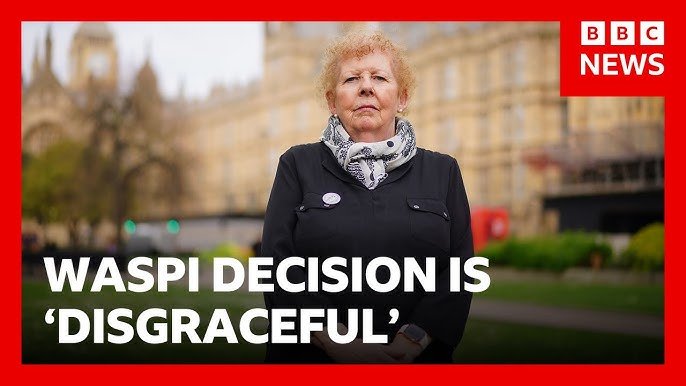
Public reaction to the WASPI compensation latest decision has been deeply divided across the UK. Many campaigners and supporters of the Women Against State Pension Inequality movement have expressed anger and disappointment, arguing that the government has failed to deliver justice. They believe that acknowledgement of wrongdoing should be followed by meaningful compensation for those affected.
At the same time, the WASPI compensation latest discussion on social media platforms and news comment sections shows a range of opinions. Some members of the public support the government’s stance due to concerns over national spending, while others strongly back the campaigners. This ongoing debate continues to keep the issue in the public eye and fuels further political discussion.
Legal Challenges and Future of WASPI Compensation Latest Case
The WASPI compensation latest developments also include ongoing legal efforts by campaigners who are considering judicial review proceedings. These legal challenges aim to question whether the government acted fairly in rejecting compensation despite the ombudsman’s findings. Campaign groups are determined to continue pursuing all possible legal avenues to secure a different outcome.
Looking ahead, the WASPI compensation latest news suggests that the issue is far from settled. Although the government has taken a firm position, political pressure and legal action could still influence future decisions. Changes in leadership or public policy direction may reopen discussions, meaning the final outcome remains uncertain for millions of affected women across the UK.
Impact of WASPI Compensation Latest Decision on Affected Women
The WASPI compensation latest decision has had a significant emotional and financial impact on many women born in the 1950s. A large number of individuals report having to change retirement plans unexpectedly, often facing financial hardship as a result. The lack of compensation continues to be a major source of frustration and concern for those who feel overlooked by the system.
Beyond personal financial effects, the WASPI compensation latest issue has also raised wider concerns about trust in government communication and policy implementation. Critics argue that failures in providing clear and timely information have undermined confidence in public institutions. This case has become a symbol of the importance of transparency when implementing major social and financial reforms.
Conclusion on WASPI Compensation Latest Situation
The WASPI compensation latest situation remains unresolved despite years of debate, campaigning, and official investigations. The UK Government’s 2026 update confirms that no mass compensation will be paid, marking a significant moment in the long-running dispute. However, the issue continues to generate strong emotional and political responses across the country.
Ultimately, the WASPI compensation latest news reflects a complex balance between financial limitations and claims of injustice. While campaigners continue to push for recognition and compensation, the government maintains its position based on economic constraints. The future of the issue remains uncertain, with legal challenges and political pressure likely to shape what happens next.
