Pottery Class Devon | Beginner-Friendly Wheel Throwing & Ceramics Courses for All Skill Levels

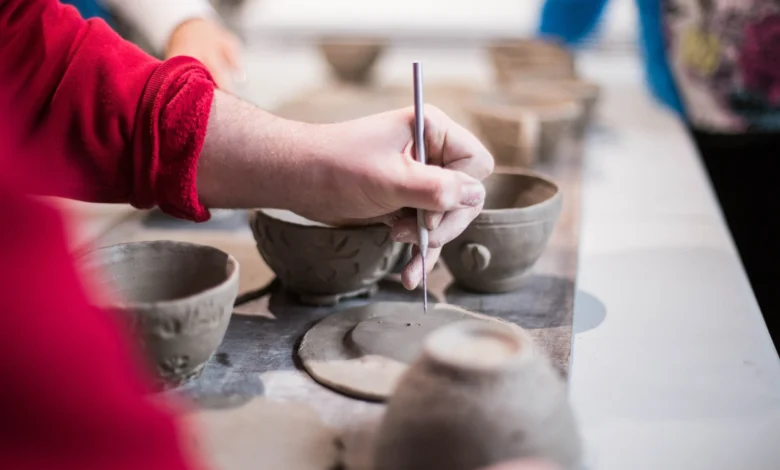
A pottery class Devon experience offers an immersive way to explore creativity while learning traditional and modern ceramic techniques in a relaxed studio environment. Set against the inspiring landscapes of Devon, these classes provide the perfect escape from routine life, allowing participants to work with clay in a calming and hands-on setting. Whether you are a complete beginner or someone returning to a creative hobby, a pottery class Devon session helps build confidence and artistic expression through guided learning.


Many people choose a pottery class Devon workshop not only to learn a craft but also to enjoy mindfulness and relaxation. The process of shaping clay encourages focus and patience, making it an ideal activity for stress relief. With expert tutors and well-equipped studios, learners can expect a supportive atmosphere where experimentation is encouraged, and every piece created reflects individual creativity and progress.
What You Learn in a Pottery Class Devon Workshop
A typical pottery class Devon workshop introduces learners to essential ceramic techniques such as wheel throwing, hand-building, glazing, and finishing methods. Beginners are guided step-by-step, ensuring they understand how to handle clay properly while developing control and coordination. Each pottery class Devon session is structured to balance instruction with practical hands-on time, allowing students to build skills naturally through practice and repetition.
During a pottery class Devon course, participants often start with simple shapes such as bowls or cups before progressing to more complex designs. Tutors demonstrate each stage clearly, from preparing the clay to shaping and finishing the final piece. This structured learning approach ensures that every student leaves with both a finished creation and a deeper understanding of ceramic processes.
Why Pottery Class Devon Is Perfect for Beginners
A pottery class Devon environment is especially suited for beginners because it removes pressure and focuses on enjoyment and learning at a comfortable pace. No previous experience is required, making it accessible for anyone curious about pottery. The supportive teaching style ensures that mistakes are seen as part of the learning process, helping students gain confidence quickly.
Many first-time learners attending a pottery class Devon session are surprised at how quickly they develop new skills. The tactile nature of clay makes learning intuitive, and instructors are always available to guide improvements. This combination of freedom and structure helps beginners feel relaxed while still achieving satisfying creative results from their very first session.
Wheel Throwing in Pottery Class Devon Studios
Wheel throwing is one of the most popular techniques taught in a pottery class Devon setting. It involves shaping clay on a spinning wheel, which requires balance, timing, and gentle control. Although it can feel challenging at first, it quickly becomes one of the most rewarding aspects of ceramic learning once basic techniques are mastered.
In a pottery class Devon studio, instructors provide close guidance to help students centre their clay and form symmetrical shapes. Over time, learners gain confidence and begin producing bowls, vases, and other functional pieces. The process is both engaging and meditative, making wheel throwing a highlight of many pottery experiences across Devon.
Hand-Building Techniques in Pottery Class Devon
Hand-building is another essential part of a pottery class Devon curriculum, offering a more freeform approach to ceramic creation. Techniques such as coiling, pinching, and slab construction allow students to create unique and expressive pieces without using a wheel. This method is particularly popular among beginners who enjoy sculptural creativity.
A pottery class Devon hand-building session encourages experimentation and imagination, as learners are not restricted by symmetry or spinning motion. Students can design decorative items, artistic sculptures, or practical objects using simple tools and their hands. This flexibility makes hand-building an important and enjoyable part of any pottery journey.
Materials and Equipment Used in Pottery Class Devon
Every pottery class Devon studio provides essential materials such as clay, modelling tools, aprons, and access to professional kilns. Students do not need to bring anything except comfortable clothing and an open mindset. The studios are designed to be safe and welcoming, ensuring that beginners feel comfortable from the moment they start working.
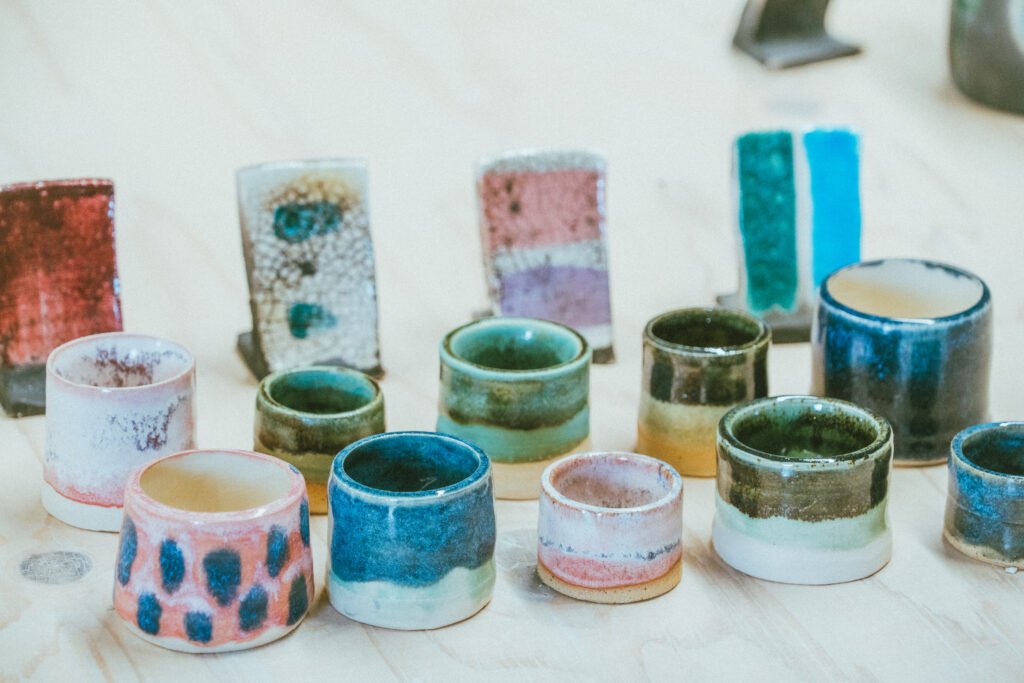
In a pottery class Devon environment, participants also learn about glazing and firing processes, which transform raw clay into finished ceramic pieces. Understanding how heat and materials interact is an important part of the learning journey. This knowledge helps students appreciate the craftsmanship involved in producing durable and decorative pottery.
Benefits of Joining a Pottery Class Devon
Attending a pottery class Devon workshop offers numerous benefits beyond learning a new skill. The creative process is known to improve mental wellbeing by reducing stress and encouraging mindfulness. Working with clay helps individuals focus on the present moment, providing a calming break from digital distractions and busy lifestyles.
A pottery class Devon experience also promotes social interaction, as participants often share ideas and support each other throughout the process. This sense of community makes learning more enjoyable and rewarding. Additionally, taking home a handmade piece provides a strong sense of achievement and personal satisfaction.
How to Choose the Right Pottery Class Devon
Selecting the right pottery class Devon depends on your goals, schedule, and preferred learning style. Beginners may benefit from short workshops that introduce basic techniques, while more experienced learners might prefer weekly courses that offer deeper skill development and creative exploration over time.
When choosing a pottery class Devon studio, it is important to consider class size, instructor experience, and location. Smaller classes often provide more individual attention, while well-reviewed studios ensure a higher quality learning experience. Checking feedback from previous students can also help you make an informed decision.
Special Occasions and Group Pottery Class Devon Experiences
A pottery class Devon is not only for individual learning but also ideal for special occasions such as birthdays, hen parties, and team-building events. Group sessions provide a fun and interactive way to connect with others while exploring creativity together in a relaxed studio setting.
Many studios offering a pottery class Devon experience design customised group workshops to suit different needs. These sessions often include guided instruction, collaborative activities, and time for personal creativity. This makes pottery an excellent choice for memorable and engaging group experiences.
What Happens After a Pottery Class Devon Session
After completing a pottery class Devon workshop, students usually leave their creations to be glazed and fired in a kiln. This process can take several days or weeks, depending on the studio. Once finished, the pieces become durable and ready for collection or delivery.
A pottery class Devon journey often continues beyond the first session, as many learners choose to join longer courses or return for more advanced workshops. The skills developed can eventually lead to a lifelong hobby or even a deeper interest in ceramic art and design.
Conclusion
A pottery class Devon experience provides a perfect combination of creativity, relaxation, and skill-building. Whether you are a beginner or someone rediscovering a passion for art, these classes offer a welcoming environment to learn and grow. The hands-on nature of pottery makes each session engaging and rewarding.
From wheel throwing to hand-building, a pottery class Devon journey allows individuals to explore different techniques while developing confidence and artistic ability. It is more than just a class—it is an opportunity to slow down, create something meaningful, and enjoy the therapeutic benefits of working with clay.