
The central equine database is a nationally recognised system used in the United Kingdom to record and manage essential information about horses, ponies, donkeys, and other equines. It brings together identification details, ownership records, and passport information into a single structured platform. This system was introduced to improve traceability, strengthen animal welfare standards, and ensure that every equine can be properly identified throughout its lifetime.


The central equine database also plays an important role in supporting government regulation and industry transparency. By linking microchip data with official equine passports, it reduces the risk of misidentification and illegal trading. This unified approach helps authorities, veterinarians, and horse owners maintain accurate records, ensuring that equine welfare and food chain safety standards are consistently upheld across the UK.
What is Central Equine Database
The central equine database is the official UK system that stores identification and registration data for all equines. It acts as a central hub connecting passport issuing organisations with government oversight bodies. Every registered horse or pony is assigned a unique identity through microchip details and passport records, making it easier to track and manage equine populations nationwide.
In simple terms, the central equine database ensures that each animal has a verified and traceable identity. It supports responsible ownership and helps prevent fraud, duplication, or false registration. This system is especially important in maintaining order within the equine industry, where accurate identification is required for legal compliance, veterinary care, and movement tracking.
How Central Equine Database Works in the UK
The central equine database works by collecting and consolidating data from multiple passport issuing organisations across the UK. When a horse is microchipped, its details are recorded in an official passport, which is then linked to the central system. This allows authorities to maintain a unified record that can be accessed and updated when necessary.
The central equine database is continuously updated by horse owners, breeders, and authorised organisations. Any changes in ownership, location, or status must be reported to ensure accuracy. This ongoing data exchange ensures that the system remains reliable, helping to maintain national standards for equine identification, welfare monitoring, and disease control across the UK.
Central Equine Database Register and Identification
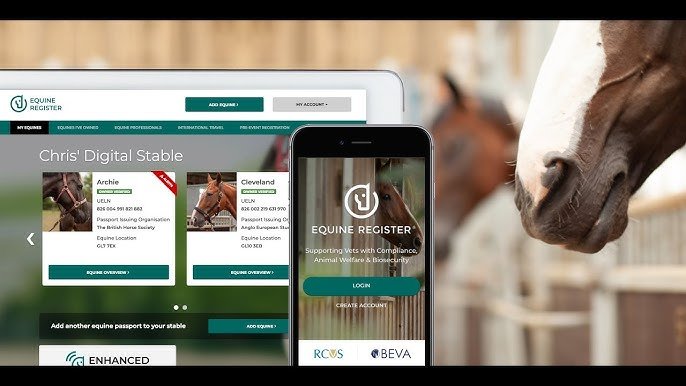
The central equine database register is the official listing of all equines recorded within the system. It acts as a reference point for verifying ownership and confirming the identity of individual horses. Each entry contains microchip information, passport data, and associated ownership details, ensuring complete traceability for every registered animal.
Identification within the central equine database relies heavily on microchip scanning technology. This allows veterinarians, inspectors, and authorities to quickly verify a horse’s identity with accuracy. The central equine database ensures that no two equines are confused, reducing administrative errors and improving confidence in ownership verification and welfare management systems.
Importance of Central Equine Database in the UK
The central equine database plays a crucial role in maintaining animal welfare and supporting regulatory compliance. It helps authorities track disease outbreaks, monitor equine movements, and ensure that horses are not mistakenly entered into the human food chain. This level of oversight is essential for protecting both public health and animal safety.
In addition, the central equine database supports responsible ownership practices by ensuring that all equine records are accurate and up to date. It provides transparency within the equine industry, reducing the risk of fraud or illegal trading. This system strengthens trust between buyers, sellers, and regulatory authorities across the UK.
Legal Requirements for Central Equine Database UK
In the UK, it is a legal requirement for all equines to be microchipped and registered within the central equine database through approved passport issuing organisations. Horse owners must ensure that their animals have valid passports and that all details are correctly recorded. Failure to comply with these regulations can result in penalties or restrictions.
The central equine database is closely linked to UK government legislation, particularly concerning equine identification and traceability. These laws ensure that every horse can be properly tracked throughout its life. Compliance is essential for breeders, owners, and sellers who wish to operate legally and responsibly within the equine industry.
Central Equine Database Register and Ownership Updates
The central equine database register must be regularly updated to reflect changes in ownership or equine status. When a horse is sold, transferred, or relocated, the new details must be submitted through the appropriate channels. This ensures that the central equine database remains accurate and reliable for all users.
Horse owners are responsible for maintaining correct records within the central equine database. Updates may include changes to contact details, ownership transfers, or corrections to identification data. Keeping this information up to date is essential for legal compliance and helps maintain trust in the UK equine identification system.
Central Equine Database 2016 Reforms and Improvements
The central equine database underwent significant improvements around 2016 when the UK government introduced measures to centralise previously fragmented equine records. Before these changes, data was stored across multiple organisations, which often caused inconsistencies and delays in information sharing. The reform aimed to create a more unified and efficient system.
Since the 2016 updates, the central equine database has become more structured, reliable, and accessible. Digital integration improved data accuracy and made it easier for authorities to manage equine records. These changes marked a major milestone in modernising the UK’s equine identification framework and improving long-term traceability standards.
Future Developments of Central Equine Database
The future of the central equine database is expected to involve further technological advancements and improved digital integration. Innovations such as real-time updates and automated record management could make the system even more efficient. These developments will enhance accuracy and reduce administrative delays in equine tracking.
There is also potential for the central equine database to integrate with advanced technologies such as artificial intelligence and veterinary digital systems. This could improve disease prevention, welfare monitoring, and ownership verification. As technology evolves, the central equine database will continue to play a vital role in supporting the UK equine industry.
Conclusion
The central equine database is a vital national system that ensures proper identification, traceability, and welfare management of horses and other equines in the UK. It supports legal compliance, improves transparency, and strengthens the integrity of the equine industry. By maintaining accurate records, it benefits owners, authorities, and veterinarians alike.
Overall, the central equine database continues to evolve as a key part of modern equine management. Its role in unifying data, improving safety standards, and supporting responsible ownership makes it an essential tool for the UK. As reforms and technology continue to advance, its importance will only increase in the future.